Best Social Deduction Games for Big Groups
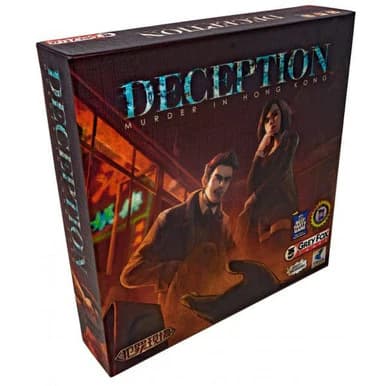
- Best OverallDeception: Murder in Hong Kong(4-12 players)
👉 One player is the forensic scientist. They know who the murderer is and what weapon and evidence they used — but they can't speak. Instead, they place tokens on abstract clue boards (things like "cause of death" or "location") and hope the room figures it out. Everyone else is an investigator, talking through the clues, accusing each other, and trying to piece together the truth. Except one of them is secretly the murderer, trying to deflect attention. Rounds run about 20 minutes. The scientist places a clue, the table erupts in debate, then you vote. If you catch the murderer, the investigators win. If not, the murderer escapes. It works from 4 to 12 players, though 6-8 is the sweet spot where there's enough noise to hide in but not so many people that you lose track. The structure is what makes it better than most social deduction games. The scientist isn't just sitting there — they're actively trying to communicate. And the murderer isn't just denying things — they need to actively push suspicion onto someone else. It gives everyone a job, which keeps the table engaged.
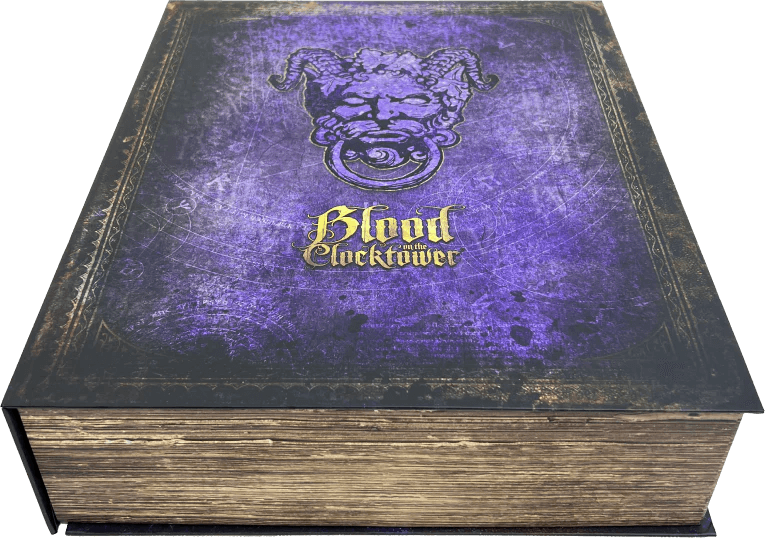
- Best for StrategyBlood on the Clocktower(5-20 players)
👉 A social deduction game run by a Storyteller, designed for 5-20 players. Each player gets a character token with a unique ability — some are good Townsfolk, some are evil Minions, and one is the Demon trying to kill the town. During the night phase, the Storyteller taps players on the shoulder to use their abilities: the Empath learns how many of their neighbours are evil, the Ravenkeeper gets to check one player when they die, the Poisoner secretly invalidates someone's information. During the day, the town talks, accuses, and votes to execute someone. What separates it from Werewolf: dead players still participate. They can talk, argue, and vote (once). This single rule change fixes the biggest complaint about social deduction — nobody sits out for 45 minutes. The Storyteller isn't neutral. They tweak the game in real time, deciding how abilities interact and keeping things interesting. A good Storyteller makes the game feel like a story arc with rising tension. A bad Storyteller makes it feel arbitrary. There are three difficulty tiers of character scripts. Trouble Brewing is for new groups. Sects & Violets adds poisoned information and confusion. Bad Moon Rising is about damage prevention and healing. Each plays very differently. It's an event game, not a filler. Expect 60-90 minutes per game, plus 15 minutes of setup and explanation. But with the right group, it's the best large-group deduction game that exists.
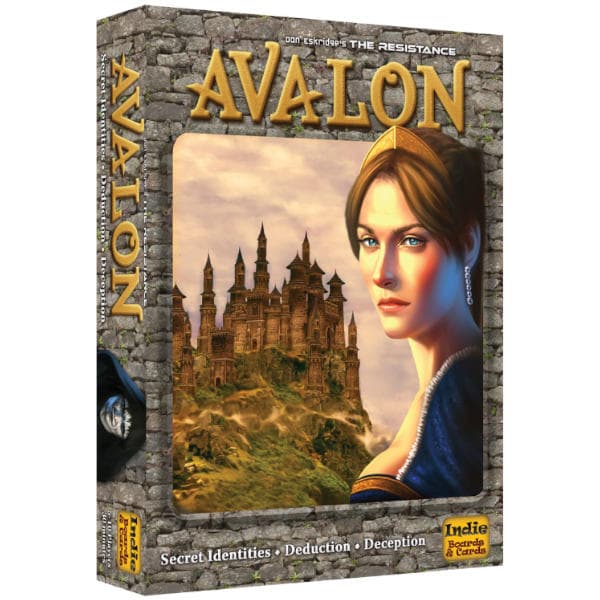
- Great for BeginnersThe Resistance: Avalon(5-10 players)
👉 Hidden-role deduction set in Arthurian legend. At the start, everyone secretly finds out if they're loyal to Arthur or a Minion of Mordred. Then you play five missions. Each round, a team leader proposes a group to go on the mission. Everyone votes to approve or reject the team. If approved, the team secretly plays success or fail cards. The loyal players always play success. The Minions can play fail to sabotage missions. Three successful missions and the good side wins. Three failed missions and evil wins. The meat of the game is the team selection and the voting. Who proposed whom, who approved what team, who was on the mission that failed — every decision is information, and the table is constantly arguing about it. Avalon adds special roles on top of the base Resistance: Merlin knows who the evil players are but has to be subtle about sharing that information. Because if the good team wins, the Minions get one final shot — they can assassinate Merlin and steal the victory. Percival knows who Merlin is and tries to protect them. Morgana pretends to be Merlin to confuse Percival. This extra layer makes Avalon feel much sharper than the basic Resistance. The endgame assassination attempt means the good team can't just follow Merlin's lead blindly — doing so paints a target. Plays 5-10. The 5-player game is tight and logical. The 7-8 player game is louder and more chaotic. Both are good. Rounds take 30 minutes and almost always result in someone demanding a rematch.
Not sure which one to pick?
Let us recommend the best game based on your group's preferences.
👉 Use the Game Finder🎲 Games in this guide