
Best Cooperative Board Games for Large Groups
Cooperative games have a scaling problem: most max out at 4 players and get chaotic above that. Here are the ones that hold up when your whole group is on the same team.
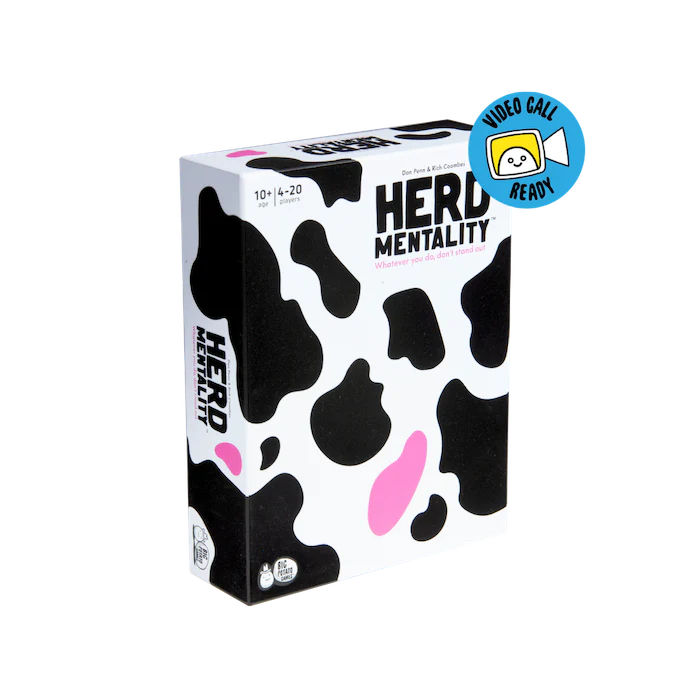
- Best OverallHerd Mentality(4-20 players)
A question card is read out — something like "Name a fruit" or "Name something you'd find in a teenager's bedroom". Everyone secretly writes their answer. Then all answers are revealed simultaneously. If your answer matches the majority, you score. If you wrote something unique, you don't score. If you wrote the only unique answer, you get the Pink Cow — a rubber cow token that blocks you from scoring until someone else takes it from you. That's the whole game. You're trying to think like the group thinks. Not the cleverest answer. Not the funniest answer. The most average, predictable, boring answer. Which sounds simple until you realise that everyone else is also trying to be average, and second-guessing what "average" means gets messy fast. "Name a fruit." You think Apple. But does everyone think Apple? Or is everyone thinking that everyone will think Apple, so they'll write Banana instead? By the time you've spiralled through three layers of meta-thinking, you write Orange and hope for the best. The Pink Cow is the perfect punishment mechanic. It's physical, visible, and silly. The person holding it is always trying to get rid of it. The threat of getting it keeps people playing conservatively. Plays 4-20 with no real upper limit. The game takes 20 minutes and can stop at any point. Question quality varies — some cards produce boring unanimous answers, others split the group in unexpected ways. You can also make up your own questions, which older groups often prefer.
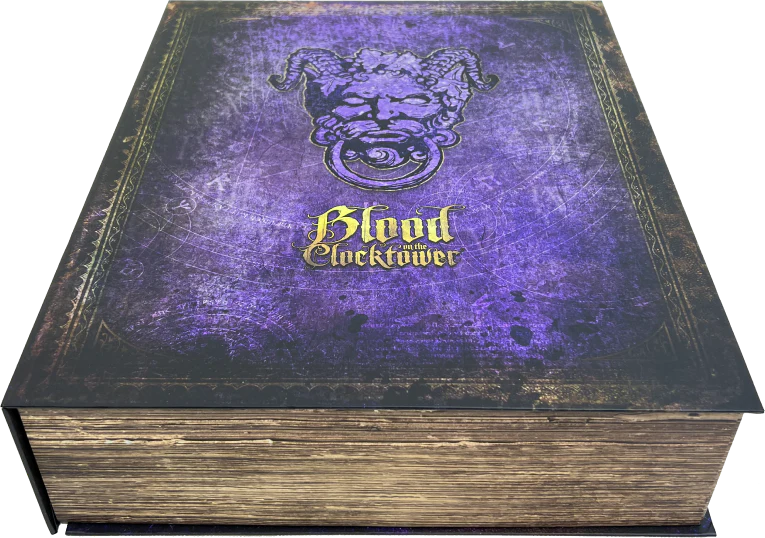
- Best for StrategyBlood on the Clocktower(5-20 players)
A social deduction game run by a Storyteller, designed for 5-20 players. Each player gets a character token with a unique ability — some are good Townsfolk, some are evil Minions, and one is the Demon trying to kill the town. During the night phase, the Storyteller taps players on the shoulder to use their abilities: the Empath learns how many of their neighbours are evil, the Ravenkeeper gets to check one player when they die, the Poisoner secretly invalidates someone's information. During the day, the town talks, accuses, and votes to execute someone. What separates it from Werewolf: dead players still participate. They can talk, argue, and vote (once). This single rule change fixes the biggest complaint about social deduction — nobody sits out for 45 minutes. The Storyteller isn't neutral. They tweak the game in real time, deciding how abilities interact and keeping things interesting. A good Storyteller makes the game feel like a story arc with rising tension. A bad Storyteller makes it feel arbitrary. There are three difficulty tiers of character scripts. Trouble Brewing is for new groups. Sects & Violets adds poisoned information and confusion. Bad Moon Rising is about damage prevention and healing. Each plays very differently. It's an event game, not a filler. Expect 60-90 minutes per game, plus 15 minutes of setup and explanation. But with the right group, it's the best large-group deduction game that exists.
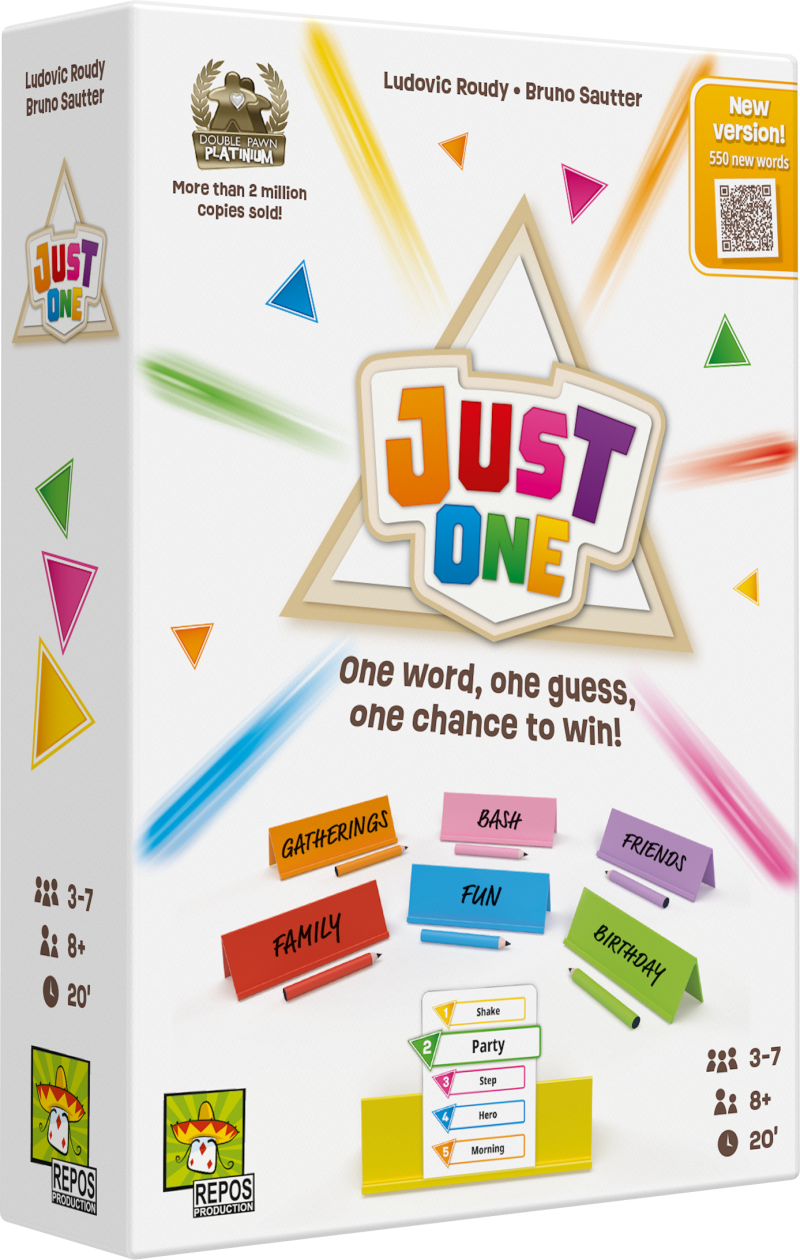
- Great for BeginnersJust One(3-7 players)
One player closes their eyes. A word card goes up — say, "Pyramid". Everyone else secretly writes a one-word clue to help the guesser. Before the guesser opens their eyes, you compare clues. Any duplicates get removed. So if three people wrote "Egypt", all three get cancelled. The guesser only sees the remaining clues. Maybe they're left with "Pharaoh" and "Triangle" and that's enough. Maybe everyone wrote the same thing and they get nothing. That's the whole game. No scoring track, no special powers, no complicated rules. You play 13 cards and count how many the guesser got right. The fun is in the duplicate-cancelling. You want to be helpful, but you also don't want to write the obvious clue that everyone else will write. It creates this tension where you're trying to outthink your own teammates — not to beat them, but to help them differently than everyone else. Works best with 5-7 players. Fewer than that and duplicates rarely happen, which removes the interesting part. It's a Spiel des Jahres winner and probably the single lowest-friction game you can bring to any social gathering.
Best Cooperative Board Games for Large Groups
Cooperative board games have a problem at large player counts. Most of the best ones (Pandemic, Spirit Island, Arkham Horror) cap at 4 or 5 players. Go above that and the experience usually falls apart because one or two dominant players end up making all the decisions while everyone else nods along.
The games below work cooperatively at 6 or more players because they either split roles (so everyone has a specific job), use simultaneous play (so everyone is always doing something), or lean into conversation and discussion as the core mechanic.
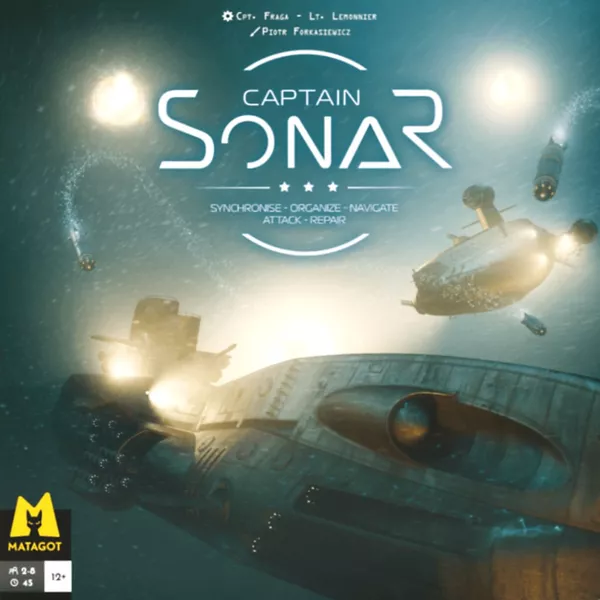
Captain Sonar
The ultimate cooperative large-group game. You split 6 to 8 players into two competing submarine crews, and each crew is fully cooperative. Your four roles (Captain, Radio Operator, First Mate, Engineer) are all active at the same time, all feeding information to each other, all under the same time pressure.
There is no leader. The Engineer can refuse a direction if the systems can't handle it. The Radio Operator can override the Captain's assumptions about where the enemy is. Everyone's job is essential and everyone is talking constantly.
The catch: it needs at least 6 people and works best with exactly 8.
The best fully cooperative large-group game. Everyone has a job and nobody sits idle.
Just One
Just One is cooperative by design. The whole table is on the same team trying to help the guesser. There's no leader, no quarterback problem, because every player writes their own clue independently and simultaneously.
With 7 players, you have 7 people trying to come up with different clues for the same word. The duplicate-cancelling mechanic means the group wins or loses together based on whether they can think differently from each other. It's properly cooperative, not just "everyone watches one person make decisions."
Genuinely cooperative at any player count. Everyone contributes simultaneously.
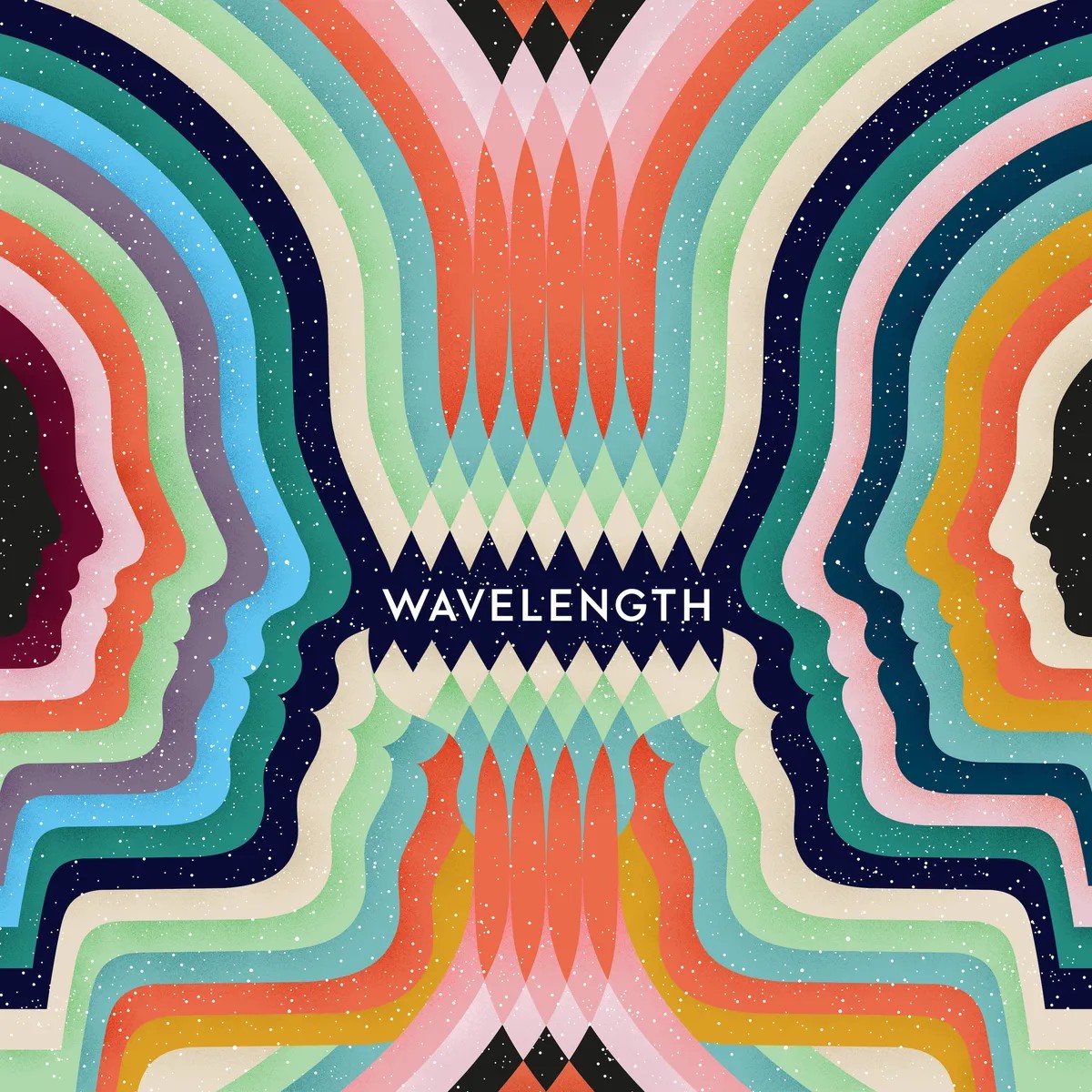
Wavelength
Wavelength is cooperative within each team. One person gives a clue, the whole team discusses, and they decide together where to place the dial. There's no single correct answer, which means the discussion is real, not just a formality.
It works at 6 to 12 players because you split into two teams and both teams are always engaged. When one team is placing the dial, the other team is watching, knowing they'll get bonus points if they can guess where it lands without any information.
Team-based cooperation with genuine group discussion on every single clue.
Blood on the Clocktower
Blood on the Clocktower is technically a social deduction game, but the good team (Townsfolk and Outsiders) is cooperating against the evil team. With 10 to 15 players, you have a large cooperative team working together to solve an information puzzle.
The key advantage over traditional cooperative games: dead players still participate fully. This eliminates the spectator problem that plagues other large-group formats. If you're killed on night one, you're still talking, voting, and contributing to the investigation.
Large-scale deduction with full cooperative play. No spectating when you're eliminated.
Herd Mentality
Herd Mentality is cooperative in spirit even though it technically has individual scoring. The entire group is trying to answer the same question the same way. When it works, you all look at each other and laugh. When it fails (someone writes the weird answer), you all look at that one person.
It's a shared experience. The pink cow creates a collective villain for the round, and everyone roots for them to get rid of it. At large counts (10 or more), reading the room becomes genuinely difficult, and that difficulty makes the game funnier.
Low pressure, big laughs. Works as a cooperative experience even though it's technically individual.
Tips for cooperative games with large groups
The "alpha player" problem (one person directing everyone else) is worst in games with individual turns and shared information. Avoid it by choosing games where everyone acts simultaneously.
Role-based cooperative games scale better than resource-management cooperative games. When everyone has a specific job, nobody can dominate.
Keep sessions to under an hour. Cooperative games require everyone's attention. At 90 minutes with 8 players, focus starts to waver badly.
Reviewed by TableTop Trends Editorial Team
Board Game Specialists & Group Dynamics Researchers
Tested and evaluated across real group game nights. We specialize in group playability, player count scaling, rule clarity, and downtime reduction for gatherings of 2 to 12+ players.
Not sure which one to pick?
Answer a few quick questions and get a direct recommendation for your group.
Find the right gameLooking for Board Games & Game Night Recommendations?
Explore our group game finder, strategy guides, and game reviews.
🎲 Games in this guide
Keep Browsing — Related Guides
Hand-picked recommendations for your next game night setup.
Best Cooperative Board Games: From Gateway to Heavy Strategy
Prefer working together instead of fighting? Discover the top cooperative board games where players win or lose as a team.
Best Board Games for 12+ Players (Double-Digit Groups)
When a dozen or more people show up for game night, standard turn orders collapse into chaos. Here's how to host double-digit groups without splitting the room.
Board Games with Zero Player Elimination
Getting knocked out ten minutes into a two-hour game while your friends keep playing is miserable. These games eliminate early knockouts entirely so everyone stays in until the final score is tallied.
Best Christmas Board Games for the Whole Family
Christmas game nights include grandparents, kids, competitive uncles, and people who think board games are boring. These are the games that survive that combination.
Need a personalized recommendation for your exact group?
Skip browsing and let our Game Finder select the 9.5/10 match for your player count and vibe.
🎯 Use 30-Second Game Finder