
Matagot • 2016
Two teams of four sit on opposite sides of a table with a screen between them. Each team is the crew of a submarine. One player is the Captain, calling movement directions. One is the Radio Operator, listening to the enemy Captain and tracking their position on a transparent overlay. One is the First Mate, charging weapon systems as the sub moves. One is the Engineer, managing the systems that break down with each movement. In real-time mode, there are no turns. Both Captains are calling directions simultaneously. The Radio Operator is frantically tracking. The First Mate is yelling that the torpedo is charged. The Engineer is telling the Captain they can't go North because the engine will blow. The game is chaos by design. Information is imperfect. Communication breaks down. Someone fires a torpedo at where they think the enemy is, and either the room erupts in cheering or someone quietly announces "miss" and the hunt continues. There's also a turn-by-turn mode for groups that prefer structure, but the real-time mode is the reason this game exists. It creates a kind of pressure and teamwork that nothing else really replicates. It needs exactly 6 or 8 players. At 6, one person doubles up on roles. Fewer than that and it doesn't really work. You also need a physical table long enough for two teams to sit across from each other, which is worth thinking about before you buy it.
Board Game Specialists & Group Dynamics Researchers
Tested and evaluated across real group game nights. We specialize in group playability, player count scaling, rule clarity, and downtime reduction for gatherings of 2 to 12+ players.
Explore our group game finder, strategy guides, and game reviews.
Answer a few quick questions and get a direct recommendation.
Find the right gameGames with similar group dynamics, time commitment, and player counts.
Six people sitting around a dining table is one of the trickiest player counts in board gaming. Here are eight games engineered to scale smoothly without long turn waits.
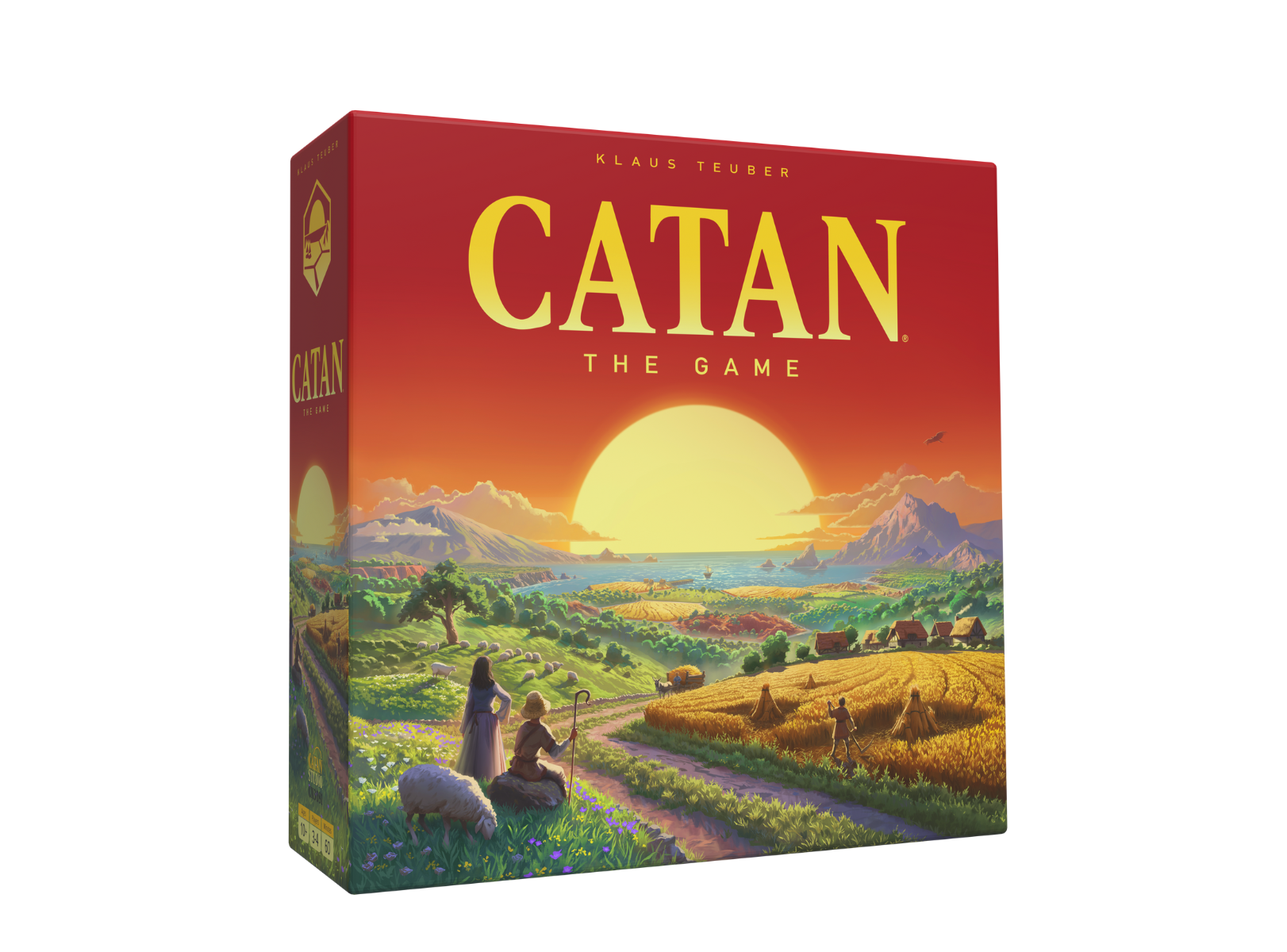
Catan caps at 4 players (6 with the extension). If your group has outgrown it or wants something that works at larger counts, here's what delivers a similar experience.
Large groups need different games from regular game nights. Here's what actually works when you have 6 or more people and why most popular games quietly fail at this count.
Eight players is the breakdown point for most board games. Here are the top games designed specifically for 8 people without turn-wait misery.
Cooperative games have a scaling problem: most max out at 4 players and get chaotic above that. Here are the ones that hold up when your whole group is on the same team.
Party games are great, but sometimes a group wants actual depth. Here are the strategy games that don't fall apart above four players.