
Azul vs Splendor
Tactile Tile Drafting vs. Gem Engine Building
Azul
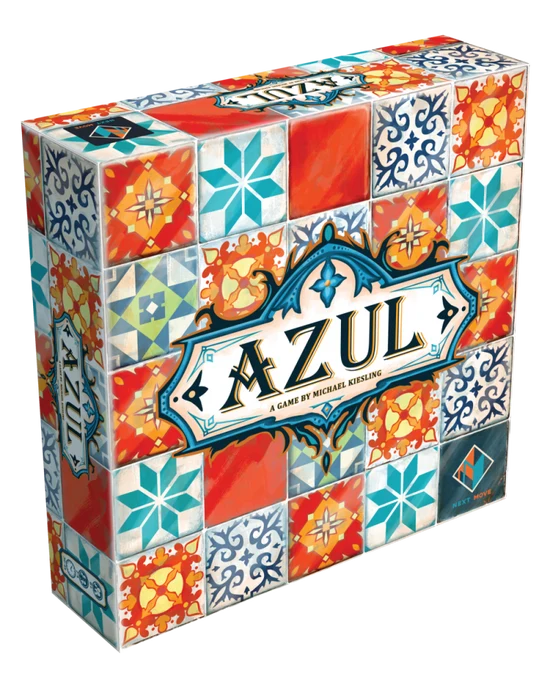
A gorgeous abstract strategy game where players draft colorful resin tiles from central factory displays onto their pattern boards. Tiles are then placed on the royal palace wall to score points based on adjacent tile clusters. Leftover tiles that cannot fit fall to the floor line, deducting points. The game rewards spatial planning, timing, and hate-drafting opponents to force them into heavy penalty points. Inspired by Portuguese azulejo tiles, Azul won the prestigious Spiel des Jahres award for its brilliant blend of accessible rules and strategic depth. The physical production is outstanding—the chunky, tactile resin tiles feel fantastic in hand as you draft and align them. Plays 2 to 4 players in a fast-paced 30 to 45 minutes. While simple to learn, master players can anticipate opponents' needs and leave them holding unwanted tiles, turning a serene tile game into an engaging tactical battle.
Splendor
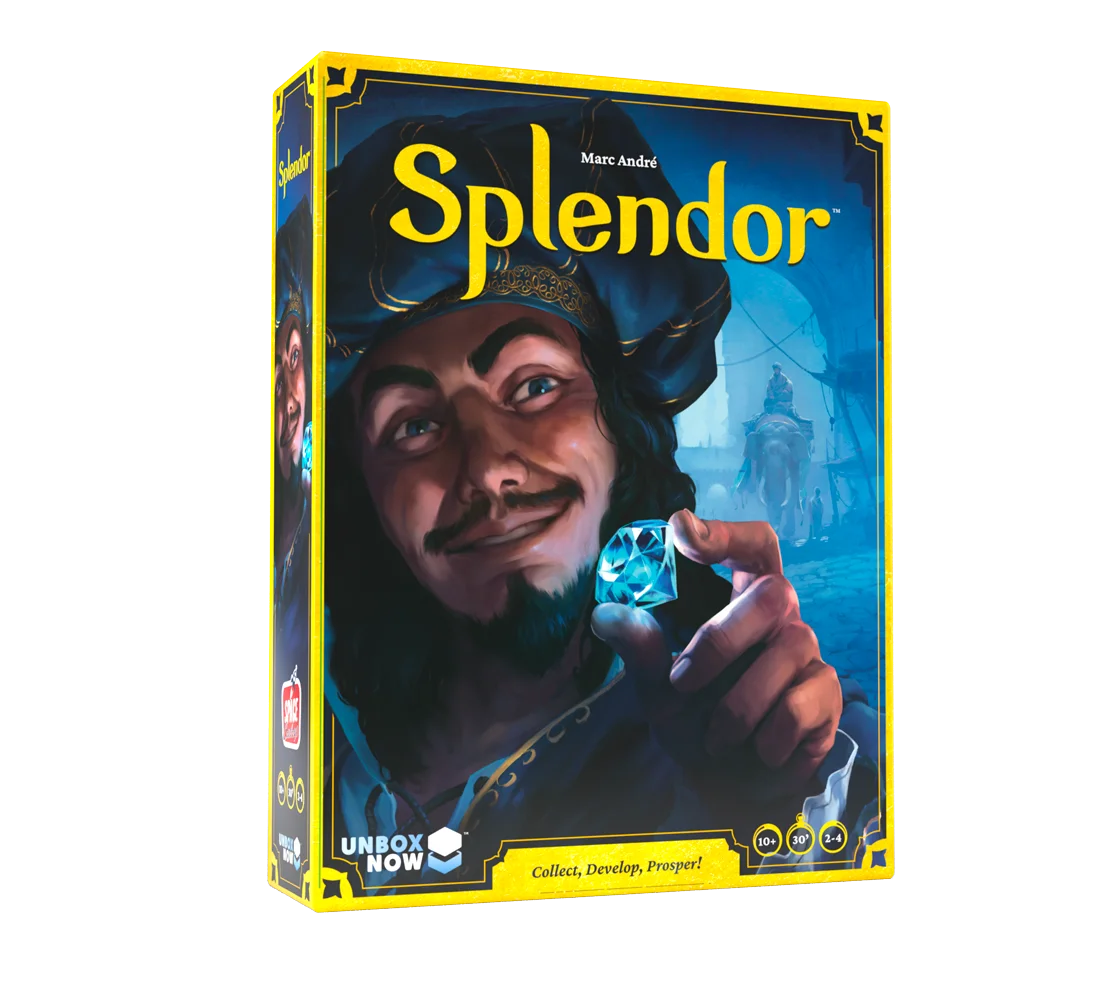
An engine-building chip-drafting game set in the European Renaissance. Players take on the role of wealthy merchants collecting gemstone tokens (rubies, sapphires, emeralds, diamonds, and onyx) to purchase development cards representing mines, shipping routes, and jewelers. Purchased cards provide permanent gem discounts for future buys and prestige points, attracting visiting nobles for bonus victory points. Splendor is a masterclass in streamlined engine building. Turns take seconds: you either pick up gem tokens, buy a card, or reserve a card for later. The satisfaction comes from watching your engine accelerate—initial purchases cost multiple tokens, but by mid-game your collection of development cards allows you to claim high-value cards for free. Accommodates 2 to 4 players in roughly 30 minutes. The heavy, poker-style gem chips give the game a luxurious feel, making Splendor a mainstay for casual gamers and strategy enthusiasts alike.
Head-to-Head Specification Matrix
Direct breakdown of player counts, complexity, and mechanics.
| Metric | Azul | Splendor |
|---|---|---|
| Rating | 7.8 / 10 | 7.4 / 10 |
| Complexity Weight | 1.8 / 5.0 | 1.8 / 5.0 |
| Player Range | 2–4 players | 2–4 players |
| Play Time | 30–45 minutes | 30 minutes |
| Primary Categories | Abstract Strategy, Renaissance | Economic, Renaissance |
| Mechanics | Tile Placement, Open Drafting, Pattern Building, End Game Bonuses | Engine Building, Open Drafting, Set Collection |
| Publisher | Plan B Games | Space Cowboys |
| Year Published | 2017 | 2014 |
The Verdict: Which Should You Buy?
Azul and Splendor are the two gold standards of accessible modern abstract strategy. Azul challenges players with tactile plastic tile drafting, strict line-filling constraints, and punishing overflow penalties. Splendor delivers a clean, satisfying economic engine where gem chips purchase cards that become permanent discounts for grander jewels. Choose Azul for clever hate-drafting and tactile joy; choose Splendor for pure, addictive engine-building momentum.
Azul's ceramic-styled tiles feel wonderful in hand, and managing line overflow creates delightfully tense drafting decisions.
Splendor delivers the purest feeling of compounding growth: your early chips buy card discounts that let you claim luxury cards for free.
Key Differences Explained
Core MechanismFactor #1
Take-That & TensionFactor #2
PlaytimeFactor #3
ComponentsFactor #4
Pros & Cons Comparison
Azul
- +Stunning tactile resin tiles and beautifully crafted player boards.
- +Deep abstract strategy with zero hidden information.
- +Quick 30-minute play time that fits perfectly into any game night.
- −Can become surprisingly cutthroat at 2 players when hate-drafting penalties stack up.
- −Player board scoring rules require a round of practice to fully grasp.
Splendor
- +Crisp, satisfying heavy poker chips that make token drafting tactile and fun.
- +Pure engine-building mechanics where every purchase makes subsequent turns stronger.
- +Fast pacing with zero downtime between player turns.
- −Theme is minimal and serves mostly as artwork for abstract card drafting.
- −If a player builds a runaway gem engine early, trailing players have few catch-up mechanics.
Reviewed by TableTop Trends Editorial Team
Board Game Specialists & Group Dynamics Researchers
Tested and evaluated across real group game nights. We specialize in group playability, player count scaling, rule clarity, and downtime reduction for gatherings of 2 to 12+ players.
Frequently Asked Questions
Is Azul or Splendor better for couples?
Both games are exceptional at 2 players! Azul at 2 players is intensely strategic and cutthroat, as you can count remaining tiles and intentionally saddle your partner with negative floor tiles. Splendor at 2 players is a brisk race where reserving cards becomes a vital defensive tool.
Which game has less downtime between turns?
Splendor has virtually zero downtime because players only perform one of three straightforward actions on their turn (take chips, buy card, or reserve card). Azul can induce slight analysis paralysis near the end of a round when players calculate floor point penalties.
Looking for Board Games & Game Night Recommendations?
Explore our group game finder, strategy guides, and game reviews.
Curated Collections Featuring These Games
Best Board Games for 6–8 Players
Most board games quietly fall apart above 4 players. Turns drag, half the table checks out, and someone ends up on their phone. These are the ones that actually hold up at 6, 7, and 8 — games where more people means more energy, not more waiting.
Best Games for Serious Game Nights
Your group has played Codenames enough. These are games where decisions matter, bluffs have consequences, and paying attention is rewarded. Heavier and more demanding than party games, and more satisfying because of it.