
Dune: Imperium vs Lost Ruins of Arnak
Brutal Political Intrigue vs. Archaeological Exploration & Resource Track
Dune: Imperium
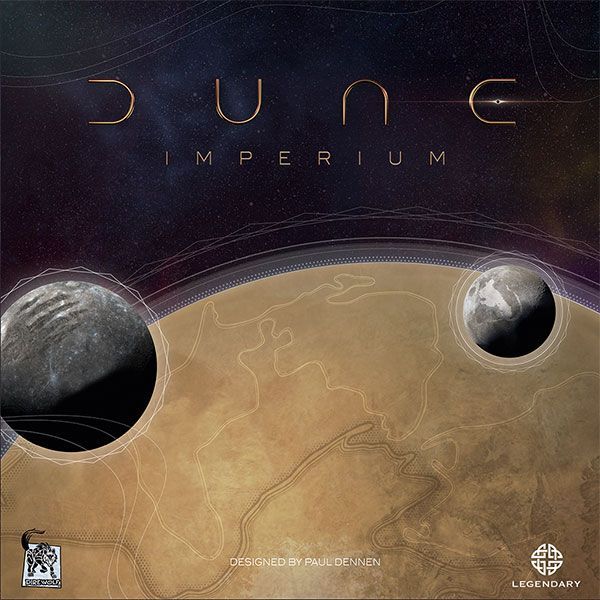
An intense blend of deck-building and worker-placement set in Frank Herbert's sci-fi universe. Players command one of the Great Houses of the Landsraad competing for control of Arrakis. Cards in hand determine which board spaces your agents can visit, while unplayed cards provide persuasion to recruit new cards and deploy troops to end-of-round combat conflicts. Dune: Imperium captures the political intrigue, economic trade, and military friction of Arrakis. Every round culminates in a tense combat phase where players clash for control of victory points and valuable Spice rewards. Designed for 1 to 4 players, games run 60 to 120 minutes. It offers a masterful blend of tactical flexibility, faction influence management, and psychological bluffing during combat resolves.
Lost Ruins of Arnak
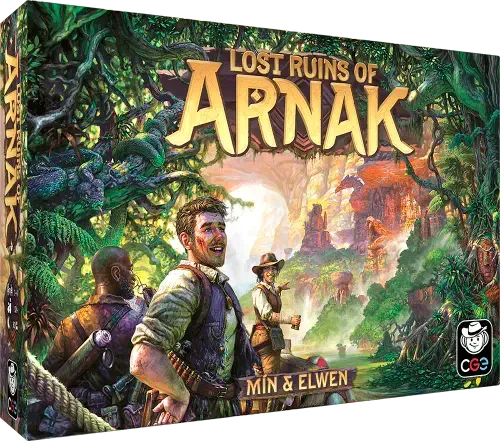
Lead an expedition to explore an uncharted island, discover ancient ruins, fight guardians, and research lost artifacts. The game seamlessly combines deck building, worker placement, and resource management. Players send archaeologists to sites to gather resources, buy equipment and artifact cards, and advance along the central research track. Lost Ruins of Arnak received widespread acclaim for its gorgeous artwork and tight resource economy. Each player starts with just two archaeologist workers and a small deck of cards. Using cards for both worker placement locations and card abilities requires careful decision-making every turn. Plays 1 to 4 players in 30 to 120 minutes. Climbing the research track and unlocking powerful assistants makes for a deeply rewarding strategy game.
Head-to-Head Specification Matrix
Direct breakdown of player counts, complexity, and mechanics.
| Metric | Dune: Imperium | Lost Ruins of Arnak |
|---|---|---|
| Rating | 8.4 / 10 | 8.1 / 10 |
| Complexity Weight | 3.0 / 5.0 | 2.9 / 5.0 |
| Player Range | 1–4 players | 1–4 players |
| Play Time | 60–120 minutes | 30–120 minutes |
| Primary Categories | Science Fiction, Novel-based, Political | Adventure, Exploration, Fantasy |
| Mechanics | Deck Building, Worker Placement, Conflict Resolution, Variable Player Powers | Deck Building, Worker Placement, Track Movement, Resource Management |
| Publisher | Dire Wolf | Czech Games Edition |
| Year Published | 2020 | 2020 |
The Verdict: Which Should You Buy?
Released in the same season, Dune: Imperium and Lost Ruins of Arnak both hybridized deck-building and worker placement to critical acclaim. Dune: Imperium is high-stakes, ruthless, and intensely competitive: cards dictate where you send your agents, while leftover cards fuel end-of-round combat troop skirmishes and political influence. Arnak is a richer, friendlier optimization puzzle where you explore mysterious island sites, discover guardians, and climb a research track. If you want cutthroat tension, bluffing, and combat, choose Dune. If you want an archaeological euro puzzle with diverse paths to victory and less direct combat, choose Arnak.
Every round culminates in a tense battlefield conflict where secret intrigue cards can reverse fortunes.
Lost Ruins of Arnak rewards tight resource management and puzzle solving without punishing military losses.
Key Differences Explained
Combat & ConflictFactor #1
Deck UsageFactor #2
AtmosphereFactor #3
ComplexityFactor #4
Pros & Cons Comparison
Dune: Imperium
- +Masterful blend of worker placement, deck building, and tense military bluffing.
- +Tight conflict rounds where combat rewards can dramatically alter the game state.
- +Strong thematic integration of Dune factions (Bene Gesserit, Fremen, Emperor, Guild).
- −Direct military conflict and intrigue cards can create brutal turnabouts.
- −Intense cognitive weight requires focused strategic planning.
Lost Ruins of Arnak
- +Stunning artwork and high production quality across all components.
- +Smooth hybrid of worker placement and deck building with tight resource management.
- +Satisfying research track progression providing powerful bonus combos.
- −Archaeologist workers are limited to just two per player per round.
- −Resource tension can feel tight, requiring precise action sequencing.
Reviewed by TableTop Trends Editorial Team
Board Game Specialists & Group Dynamics Researchers
Tested and evaluated across real group game nights. We specialize in group playability, player count scaling, rule clarity, and downtime reduction for gatherings of 2 to 12+ players.
Frequently Asked Questions
Which is easier to learn: Dune: Imperium or Lost Ruins of Arnak?
Lost Ruins of Arnak has a lower complexity rating (2.9/5) compared to Dune: Imperium (3.0/5), making it more beginner-friendly.
Can you play Dune: Imperium and Lost Ruins of Arnak with 2 players?
Dune: Imperium supports 1–4 players, while Lost Ruins of Arnak supports 1–4 players. Both games offer distinct experiences at 2 players depending on how direct or interactive you prefer the gameplay to be.
Which game plays faster?
Dune: Imperium typically plays in 60–120 minutes, while Lost Ruins of Arnak averages 30–120 minutes.
Looking for Board Games & Game Night Recommendations?
Explore our group game finder, strategy guides, and game reviews.
Curated Collections Featuring These Games
Best Board Games for 6–8 Players
Most board games quietly fall apart above 4 players. Turns drag, half the table checks out, and someone ends up on their phone. These are the ones that actually hold up at 6, 7, and 8 — games where more people means more energy, not more waiting.
Best Games for Serious Game Nights
Your group has played Codenames enough. These are games where decisions matter, bluffs have consequences, and paying attention is rewarded. Heavier and more demanding than party games, and more satisfying because of it.