
Cascadia vs Azul
Pacific Northwest Wildlife Puzzle vs. Portuguese Mosaic Tile Drafting
Cascadia
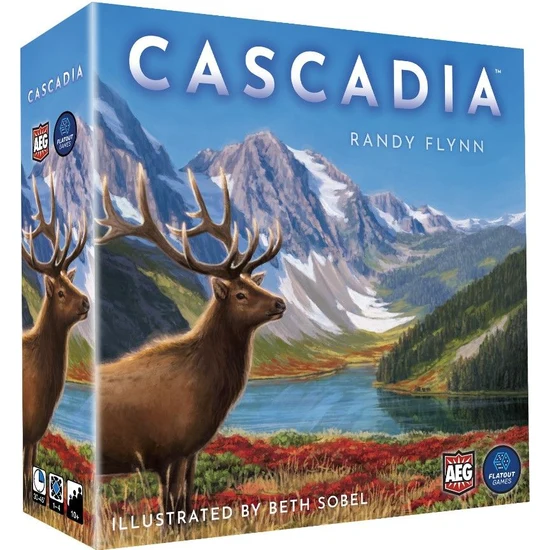
A soothing spatial tile-laying and token-drafting game set in the habitats and wildlife of the Pacific Northwest. On each turn, players draft a habitat tile and a matching wildlife token (bears, elk, salmon, hawks, and foxes) to expand their ecosystem. Points are scored based on spatial habitat connections and variable wildlife pattern goals. Cascadia won the 2022 Spiel des Jahres for its accessible, relaxing, yet deeply engaging puzzle gameplay. Each wildlife species scores differently—bears want pairs, elk want lines, salmon want streams, hawks want sightlines, and foxes want surrounding diversity. Accommodates 1 to 4 players in 30 to 45 minutes. With double-sided wildlife goal cards and a smooth drafting turn flow, Cascadia provides a delightful spatial challenge suitable for all ages.
Azul
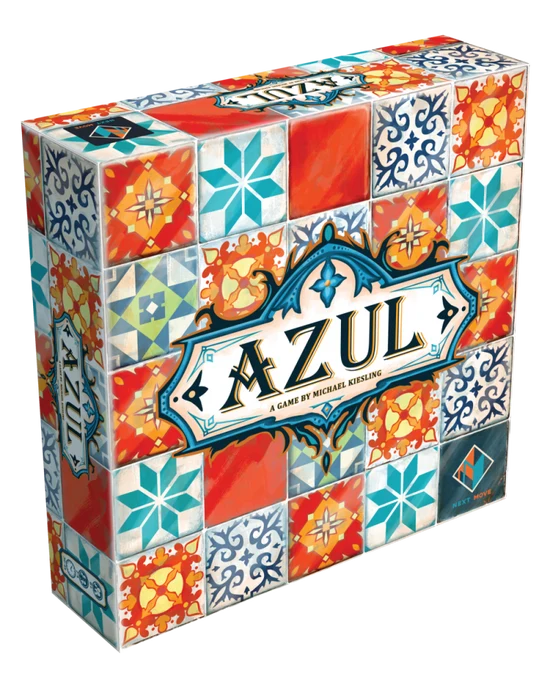
A gorgeous abstract strategy game where players draft colorful resin tiles from central factory displays onto their pattern boards. Tiles are then placed on the royal palace wall to score points based on adjacent tile clusters. Leftover tiles that cannot fit fall to the floor line, deducting points. The game rewards spatial planning, timing, and hate-drafting opponents to force them into heavy penalty points. Inspired by Portuguese azulejo tiles, Azul won the prestigious Spiel des Jahres award for its brilliant blend of accessible rules and strategic depth. The physical production is outstanding—the chunky, tactile resin tiles feel fantastic in hand as you draft and align them. Plays 2 to 4 players in a fast-paced 30 to 45 minutes. While simple to learn, master players can anticipate opponents' needs and leave them holding unwanted tiles, turning a serene tile game into an engaging tactical battle.
Head-to-Head Specification Matrix
Direct breakdown of player counts, complexity, and mechanics.
| Metric | Cascadia | Azul |
|---|---|---|
| Rating | 7.9 / 10 | 7.8 / 10 |
| Complexity Weight | 1.8 / 5.0 | 1.8 / 5.0 |
| Player Range | 1–4 players | 2–4 players |
| Play Time | 30–45 minutes | 30–45 minutes |
| Primary Categories | Animals, Environmental, Puzzle | Abstract Strategy, Renaissance |
| Mechanics | Tile Placement, Pattern Building, Open Drafting, Set Collection | Tile Placement, Open Drafting, Pattern Building, End Game Bonuses |
| Publisher | Flatout Games | Plan B Games |
| Year Published | 2021 | 2017 |
The Verdict: Which Should You Buy?
Both Cascadia and Azul are proud Spiel des Jahres winners that master the art of accessible tile drafting. In Cascadia, you draft habitat tiles paired with wildlife tokens to build an organic Pacific Northwest ecosystem, scoring points for bears in pairs, elk in lines, and salmon in runs. In Azul, you draft colored mosaic tiles onto factory rows to tile a palace wall, managing dangerous overflow penalties. Choose Cascadia for a serene, highly customizable spatial puzzle with zero mean moments; choose Azul for tactile resin tiles, tighter competition, and sharp draft denials.
Cascadia is cozy, pleasant to look at, and features variable scoring cards that keep every session fresh.
Azul's solid resin tiles feel amazing to click together, and forcing negative tile penalties adds spicy table rivalry.
Key Differences Explained
Drafting PairingsFactor #1
Player AggressionFactor #2
Variable GoalsFactor #3
Solo ModeFactor #4
Pros & Cons Comparison
Cascadia
- +Relaxing theme combined with layered spatial puzzle mechanics.
- +Spiel des Jahres winner with highly accessible rules and fast setup.
- +Variable wildlife scoring cards keep every play feeling fresh.
- −Player interaction is gentle, focusing mostly on drafting from a shared pool.
- −Endgame scoring requires checking multiple wildlife scoring cards.
Azul
- +Stunning tactile resin tiles and beautifully crafted player boards.
- +Deep abstract strategy with zero hidden information.
- +Quick 30-minute play time that fits perfectly into any game night.
- −Can become surprisingly cutthroat at 2 players when hate-drafting penalties stack up.
- −Player board scoring rules require a round of practice to fully grasp.
Reviewed by TableTop Trends Editorial Team
Board Game Specialists & Group Dynamics Researchers
Tested and evaluated across real group game nights. We specialize in group playability, player count scaling, rule clarity, and downtime reduction for gatherings of 2 to 12+ players.
Frequently Asked Questions
Which is easier to learn: Cascadia or Azul?
Azul has a lower complexity rating (1.8/5) compared to Cascadia (1.8/5), making it more beginner-friendly.
Can you play Cascadia and Azul with 2 players?
Cascadia supports 1–4 players, while Azul supports 2–4 players. Both games offer distinct experiences at 2 players depending on how direct or interactive you prefer the gameplay to be.
Which game plays faster?
Cascadia typically plays in 30–45 minutes, while Azul averages 30–45 minutes.
Looking for Board Games & Game Night Recommendations?
Explore our group game finder, strategy guides, and game reviews.
Curated Collections Featuring These Games
Best Board Games for 6–8 Players
Most board games quietly fall apart above 4 players. Turns drag, half the table checks out, and someone ends up on their phone. These are the ones that actually hold up at 6, 7, and 8 — games where more people means more energy, not more waiting.
Best Games for Serious Game Nights
Your group has played Codenames enough. These are games where decisions matter, bluffs have consequences, and paying attention is rewarded. Heavier and more demanding than party games, and more satisfying because of it.