
Board Games Similar to Codenames
If your group has played Codenames enough times that the word grid feels familiar, here are the games that scratch the same itch with a different twist.
- Best OverallDecrypto(3-8 players)
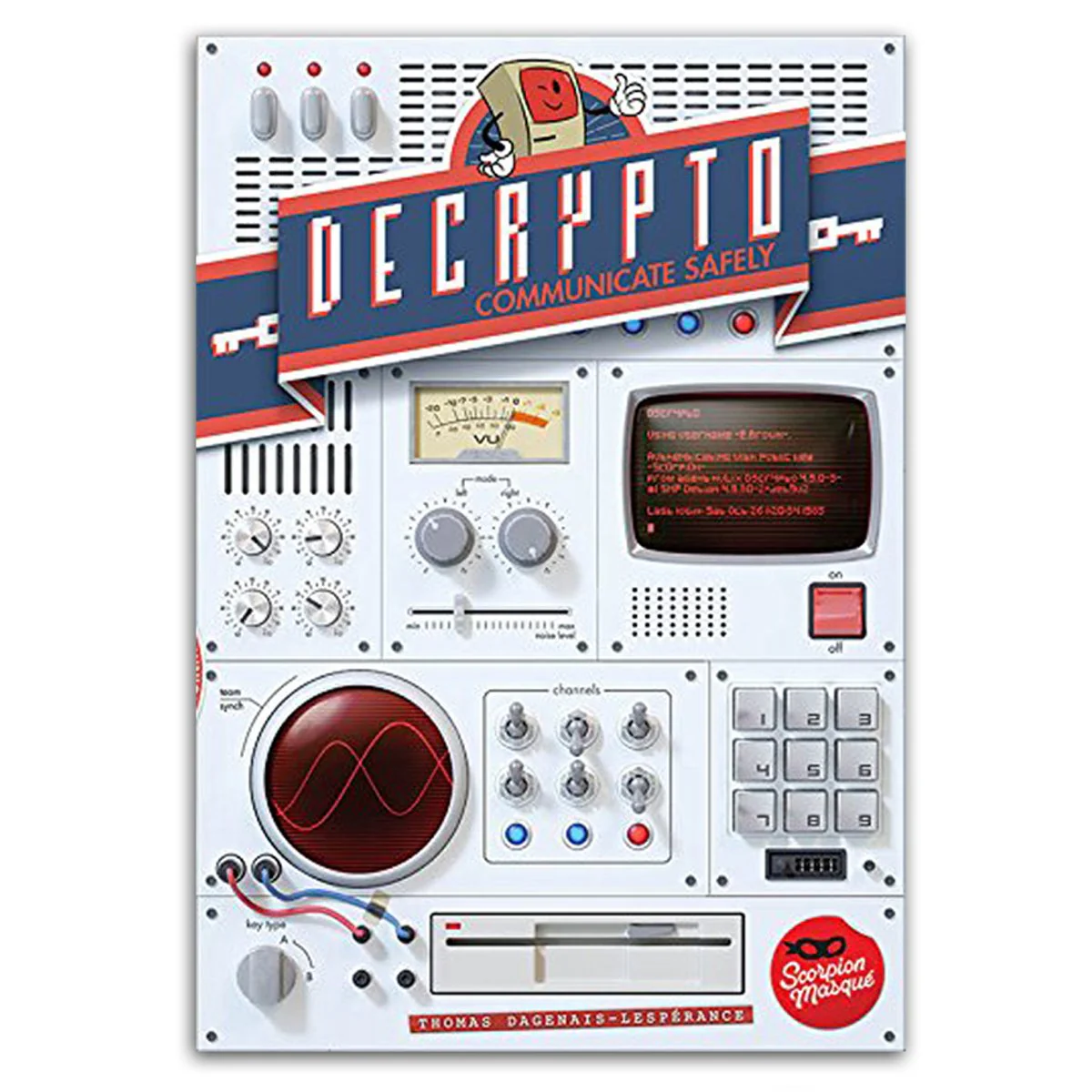
Two teams, each with a screen hiding four keywords. Every round, the clue-giver on each team draws a three-digit code — say, 3-1-4 — and gives three clues, one for each keyword in that order. Your team guesses which keywords correspond to which numbers. Here's the catch: the other team hears your clues too. Over multiple rounds, they build up a picture of which clues map to which keyword slot. If they intercept your code correctly twice, you lose. If your own team fails to decode your clues twice, you also lose. This creates an escalating tension. Early clues can be obvious because the other team has no data. But by round four or five, you need to find fresh angles on the same keywords because the opponents are narrowing in. Where Codenames is about breadth (linking multiple words with one clue), Decrypto is about depth (finding many different clues for the same word over time). A keyword like "Tiger" might get clued as "Stripes" in round one, "Jungle" in round two, "Frosted" in round three (the cereal), and "Eye" in round four (the song). Each new clue risks giving the opponents another data point. It's mechanically tighter and more strategic than Codenames, but also harder to teach. New players often struggle with the interception concept. Once it clicks, though, it creates a competitive word game with more lasting depth. Plays 4-8 in two teams. Sweet spot is 6 (3v3). Games run 30-45 minutes. The 2018 version (with the red and blue screens) is the standard edition. There's also a laser variant with image-based clues.
- Best for StrategySpyfall(3-8 players)
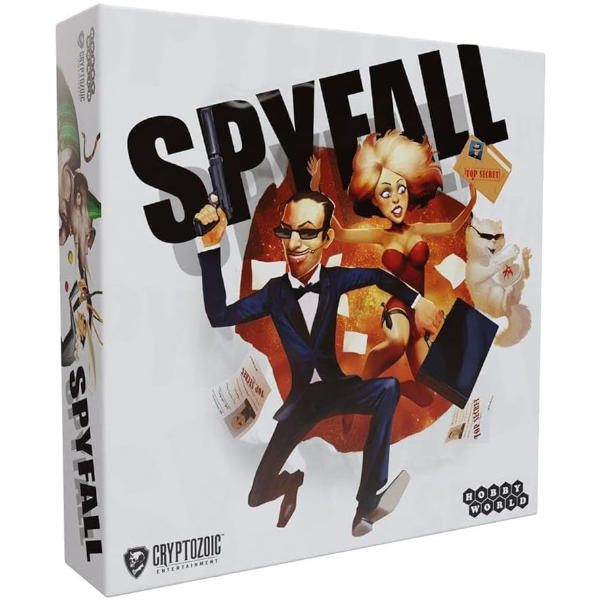
Everyone gets a card telling them the current location — a bank, a pirate ship, a hospital, whatever. Everyone except the spy, who gets a blank card and has no idea where they are. Players take turns asking each other questions. "What might you be wearing here?" "What's the temperature like?" The non-spies are trying to confirm each other's knowledge without being too specific (because the spy is listening). The spy is trying to bluff through the questions and figure out the location before they're exposed. At any point, players can accuse someone of being the spy and call a vote. If the spy is caught, the spy can still win by guessing the correct location. If the spy figures out the location before being caught, they win outright. Rounds are strictly timed at 8 minutes. Most end faster because someone either cracks under questioning or makes an accusation. The tight timer keeps things moving and prevents over-analysis. There are 30 locations in the base game, and a sequel with 30 more. You can also play for free with phone apps, though the physical cards are nicer for in-person groups. Works at 3-8 players, better at 5-6 where there's enough conversation to give the spy cover.
- Great for BeginnersWerewords(4-10 players)
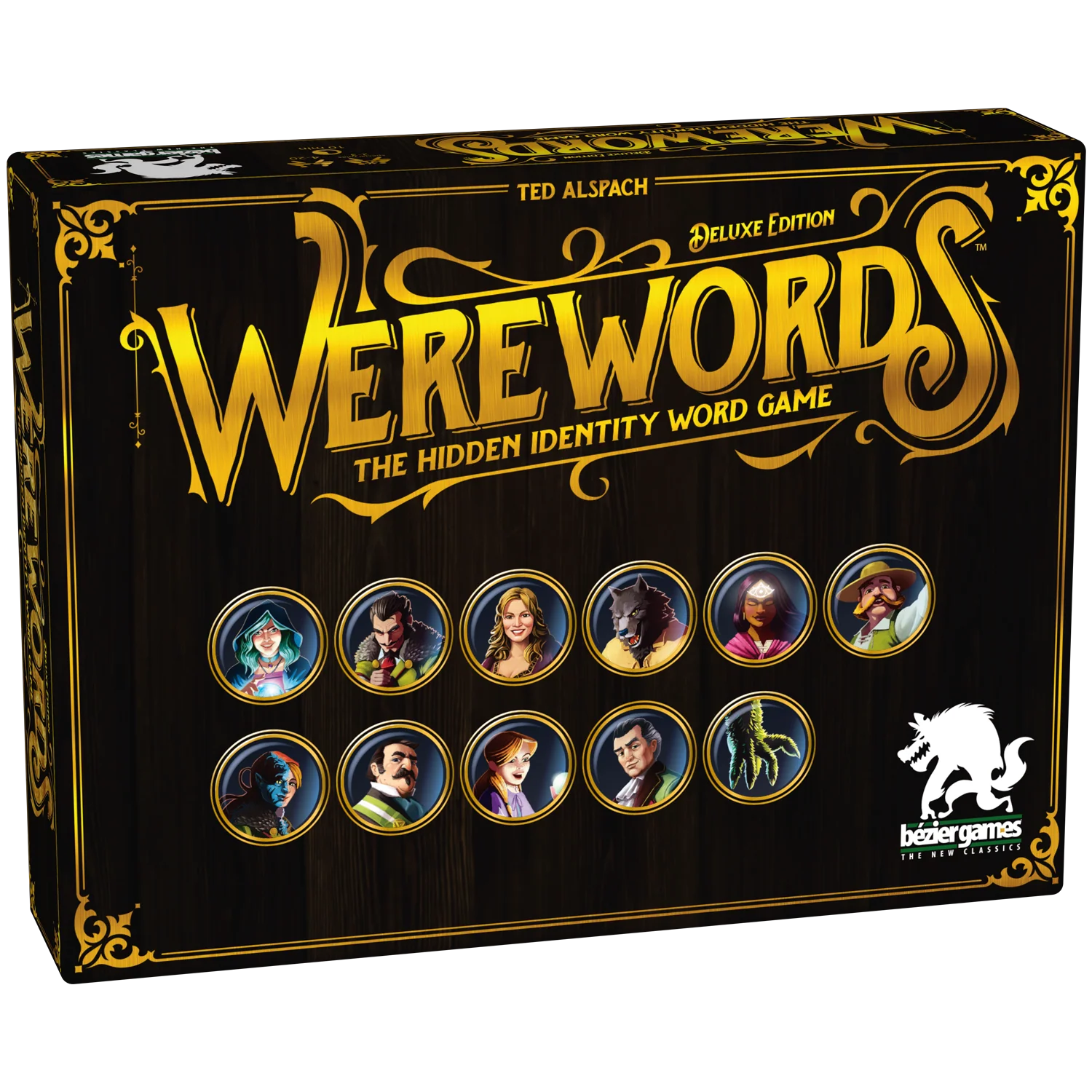
A game of 20 Questions with hidden roles layered on top. A phone app picks a secret word. The Mayor knows the word, and the group asks yes/no questions to guess it. But the Werewolf also knows the word — and they're trying to steer the group away from it without being obvious. The Seer also knows the word and is secretly trying to help the group find it. If the group guesses the word, the Werewolves get a chance to identify the Seer and win. If the group fails, the villagers can still win by identifying the Werewolf. Rounds are strictly timed at 4 minutes. The app handles role assignment, timing, and word selection, so there's zero admin. You just open the app, close your eyes for role assignment, and start asking questions. The word difficulty scales. Easy words might be guessed in 10 questions. Medium words push the timer. Hard words almost always fail, which makes the Seer reveal phase more important. You can pick the difficulty before each round. It plays 4-10 and works well across that whole range. At lower counts, identifying the Werewolf is easier. At higher counts, the questions are louder and more chaotic. Games are fast — you'll play 5-6 rounds in half an hour.
Board Games Similar to Codenames
Codenames has been on tables since 2015. If your group has played it enough times that you recognise words from the base set, or if you want to introduce something new that scratches the same itch, there are good alternatives.
The Codenames appeal comes from a specific combination: teams, clue-giving, deduction, and the tension of watching your team debate the wrong interpretation. Here are the games that deliver a version of that experience.
Decrypto (closest match)
Decrypto is the most direct Codenames alternative. Two teams, each with a screen hiding four keywords. Every round, the clue-giver draws a 3-digit code and gives three clues — one for each keyword in that order. Your own team decodes the clues. The other team listens to all your clues and tries to intercept by guessing your code.
Where Codenames is about breadth (linking multiple words with one clue), Decrypto is about depth. You give many clues for the same four words across multiple rounds. By round 4, the other team has built up a picture of your clue patterns and is closing in.
It's mechanically tighter than Codenames and rewards paying attention to clue history. It's also harder to teach — the interception concept confuses new players until they see it once.
The closest direct alternative. Same team structure, more strategic depth, harder to teach.
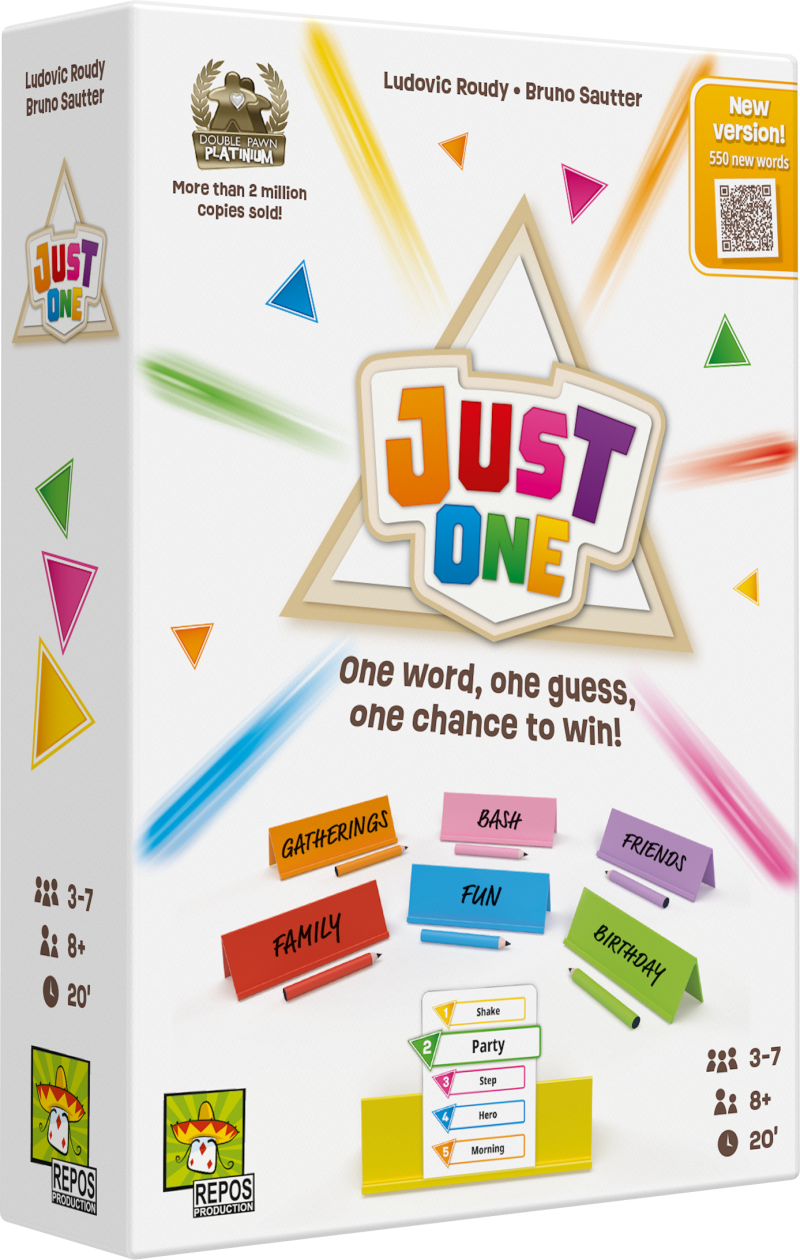
Just One (cooperative version)
If your group prefers cooperation over competition, Just One scratches a similar word-association itch without the opposing teams. The guesser needs to identify a word. Everyone writes one clue. Duplicates cancel.
The interesting creative tension in Just One is similar to the spymaster experience in Codenames — you're trying to find the right connection that helps without being too obvious. But instead of competing, your team wins or loses together.
Works well as a warm-up game or for groups that find the competition in Codenames too stressful.
Cooperative word association. Similar mental space to spymaster role, without the competition.
Wavelength
Wavelength replaces the word grid with a spectrum dial. Instead of linking words to multiple targets, you give one clue to place a target on a scale between two extremes. Your team debates where your clue sits.
The clue-giving experience is similar to Codenames in that you're trying to communicate precisely without being too obvious. The team debate is similar. But there's no opposing team to worry about — just the spectrum and how differently people interpret your clue.
It runs faster than Codenames and works for groups that like the discussion part more than the competitive part.
Similar clue-giving tension. More discussion, less competition.
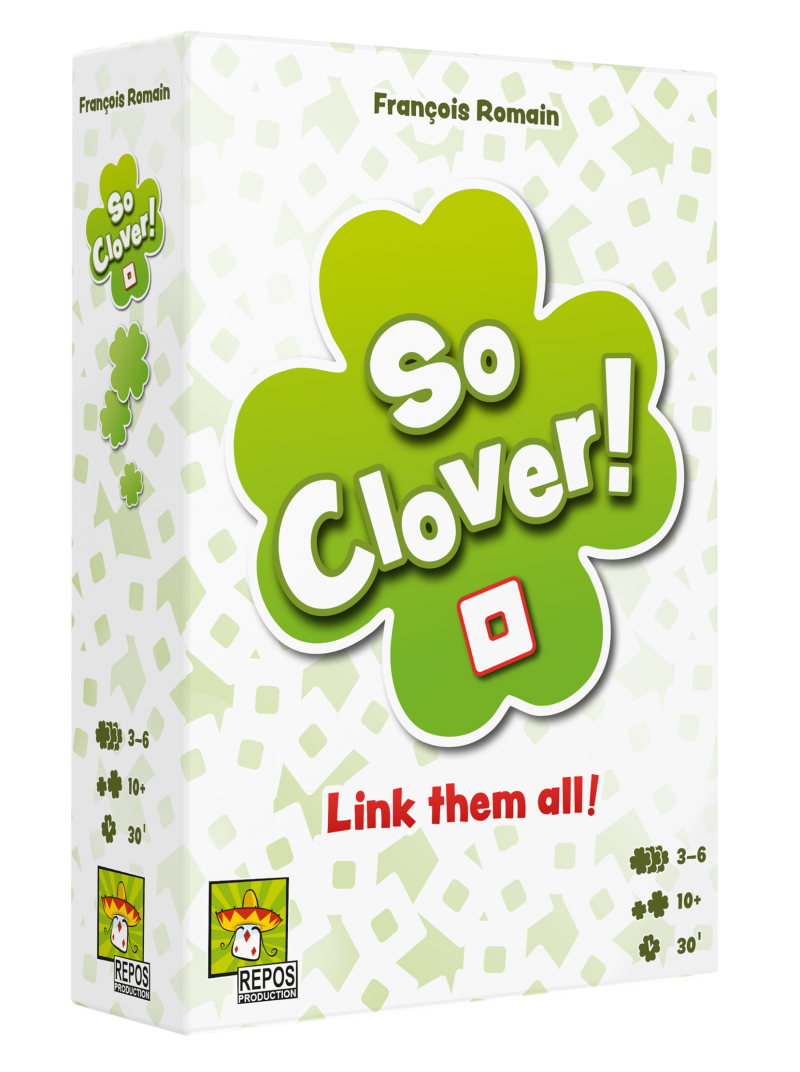
So Clover
So Clover gives each player a plastic four-leaf clover with keywords at each junction. Your job is to write a clue that links each pair of adjacent keywords. Then the group tries to reconstruct which keywords were adjacent to each other, using only your clues.
It captures the creative word-association challenge of the spymaster role, but as a cooperative puzzle rather than a competition. Everyone creates their own clover simultaneously, so there's less waiting.
Cooperative word-linking puzzle. Similar mental challenge to being a spymaster.
The Chameleon
The Chameleon keeps the secret information structure but removes the word grid entirely. Everyone knows a secret word from a category except one player — the Chameleon — who has to fake it.
Going around the table, each person says one word to prove they know the secret word without being so specific that the Chameleon figures it out. Then everyone votes on who they think the Chameleon is.
The clue-giving tension is similar to Codenames but inverted. In Codenames you're trying to communicate clearly. In The Chameleon, you're trying to communicate just clearly enough.
Similar hidden-information structure. Faster rounds (3 minutes each).
Spyfall
Spyfall keeps the spy theme and the hidden information but replaces the word grid with a 20-questions style dialogue. Everyone knows the location except the spy. Players take turns asking each other questions to identify the spy without helping them figure out the location.
If your group loves the spy aesthetic of Codenames and wants more social pressure and real-time dialogue, Spyfall delivers that.
Spy theme, hidden information, dialogue-based. Faster and more chaotic than Codenames.
Werewords
Werewords combines 20 Questions with hidden roles. A phone app picks a word. The Mayor knows the word. The group asks yes/no questions to guess it. The Werewolf also knows the word and tries to steer the group away.
It shares Codenames' structure of some players having information that others don't, and some players trying to help while others try to hinder. Rounds are 4 minutes.
Hidden roles plus group word guessing. Faster and app-driven.
Which one to try first
If your group liked Codenames and wants more strategy, try Decrypto.
If your group liked the clue-giving but found the competition too stressful, try Just One.
If your group liked the team debate part most of all, try Wavelength.
If your group wants something faster with social deduction mixed in, try The Chameleon.
If this helped, you might also want to read our guides on best board games for large groups, best games for 8 players, games similar to Catan.
Reviewed by TableTop Trends Editorial Team
Board Game Specialists & Group Dynamics Researchers
Tested and evaluated across real group game nights. We specialize in group playability, player count scaling, rule clarity, and downtime reduction for gatherings of 2 to 12+ players.
Not sure which one to pick?
Answer a few quick questions and get a direct recommendation for your group.
Find the right gameLooking for Board Games & Game Night Recommendations?
Explore our group game finder, strategy guides, and game reviews.
🎲 Games in this guide

Explore Curated Collections
Party Board Games for Large Groups
Party games fall apart when the rules explanation takes longer than the first round. These don't. You can teach any of them in under two minutes, and most groups are laughing before the first round is over.
Perfect Icebreaker Games for New Friends
First time playing with this group? Half the people don't know each other? You need games that create conversation without forcing it, where being wrong is funny instead of embarrassing, and where nobody feels like they're being tested.
Keep Browsing — Related Guides
Hand-picked recommendations for your next game night setup.
Best Board Games for 12+ Players (Double-Digit Groups)
When a dozen or more people show up for game night, standard turn orders collapse into chaos. Here's how to host double-digit groups without splitting the room.
Board Games with Zero Player Elimination
Getting knocked out ten minutes into a two-hour game while your friends keep playing is miserable. These games eliminate early knockouts entirely so everyone stays in until the final score is tallied.
Best Board Games for Exactly 6 Players
Six people sitting around a dining table is one of the trickiest player counts in board gaming. Here are eight games engineered to scale smoothly without long turn waits.
Best Christmas Board Games for the Whole Family
Christmas game nights include grandparents, kids, competitive uncles, and people who think board games are boring. These are the games that survive that combination.
Need a personalized recommendation for your exact group?
Skip browsing and let our Game Finder select the 9.5/10 match for your player count and vibe.
🎯 Use 30-Second Game Finder