
How to Host a Game Night for 10+ People
Above 8 players, most games buckle. Here's exactly how to run a double-digit game night without losing half the room to their phones.
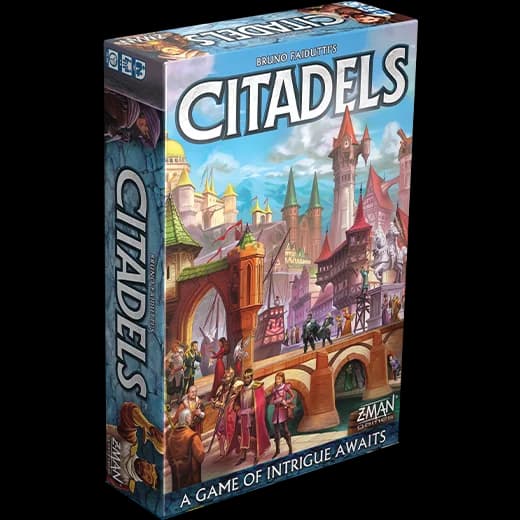
- Best OverallCitadels(2-8 players)
Each round, a set of character cards is passed around the table and each player secretly picks one. Characters have abilities: the Assassin kills a character (not a player — the player who picked that character loses their turn). The Thief steals gold from a character. The Magician swaps cards. The King goes first next round. After everyone has picked, characters are called in order. When yours is called, you take your turn: collect gold or draw cards, then optionally build a district card. Districts cost gold and contribute to your city. First player to build 8 districts triggers the endgame. The game lives in the draft. You're reading what characters other people are likely to pick and choosing accordingly. "Maria needs gold, so she'll probably take the Merchant. I should Assassinate the Merchant." But maybe Maria anticipated that and took the Architect instead. With 2-4 players, it's a tight, information-rich puzzle. With 6-8, the draft is longer and more chaotic — you can't predict as well, so it swings more. The expanded character set (included in the 2016 revised edition) adds 9 alternate characters that can swap in, which keeps the game fresh. Districts come in five colours, and there are bonus points for having all five represented in your city. Some purple districts have unique powers — the Observatory, the Laboratory, the Smithy — that give ongoing advantages. Games run 30-60 minutes depending on player count. It's one of the few strategy games that genuinely works at 7-8 players, though it slows down noticeably above 6. The box is small, the price is low, and there's more depth here than the simple components suggest.
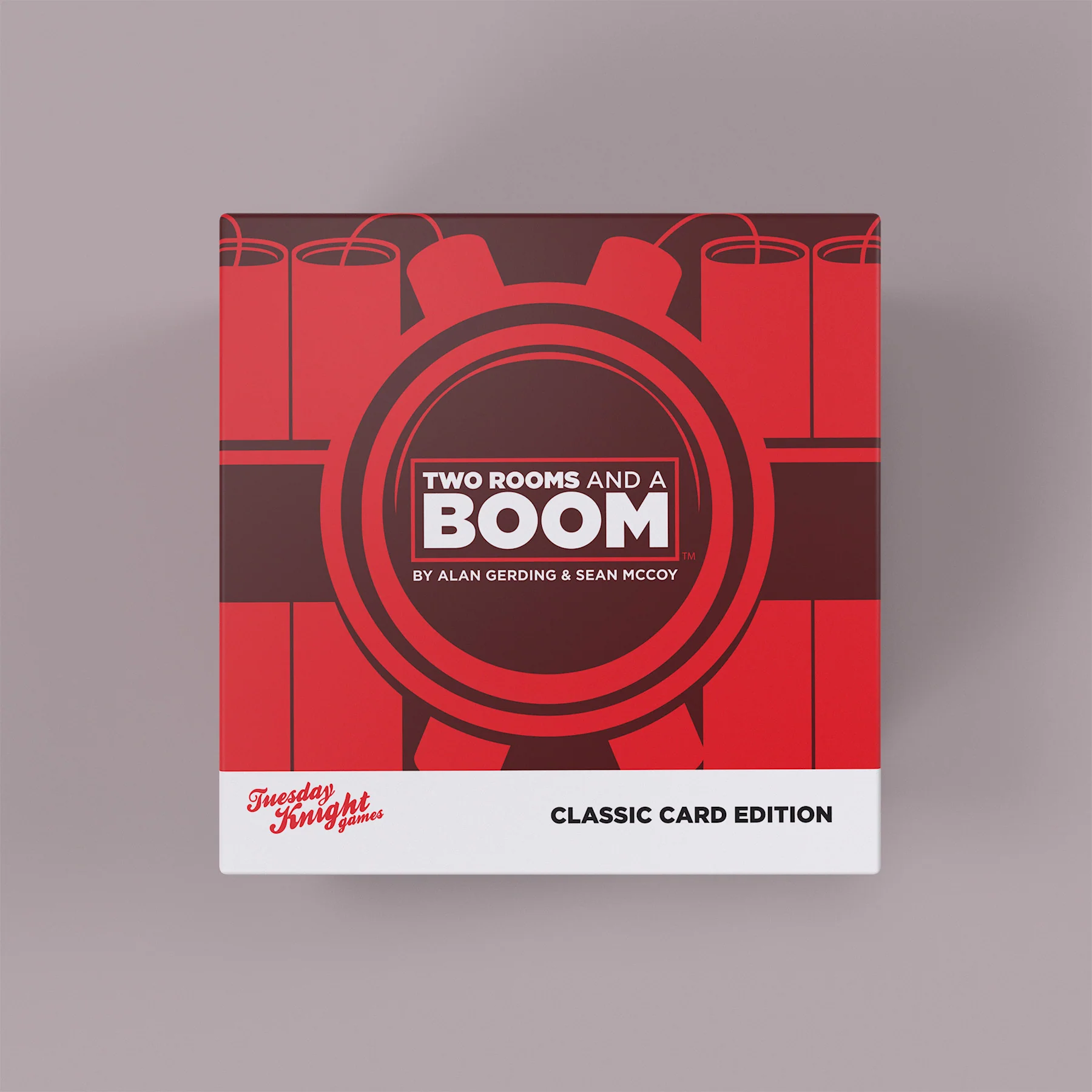
- Best for StrategyTwo Rooms and a Boom(6-30 players)
Split the group into two physical rooms (or two sides of a large room). Team Blue has a hidden President. Team Red has a hidden Bomber. If the Bomber and President are in the same room when the timer runs out, Red wins. If they're in different rooms, Blue wins. Each timed round (the game lasts three rounds, getting shorter each time), the leaders of each room select "hostages" to trade to the other room. This is the whole game: negotiation, bluffing, and hostage selection. Should you reveal your role to the room leader? Can you trust the leader? Is the person the other room sent over actually defecting, or are they a plant? Extra role cards add abilities — the Spy can swap teams, the Gambler picks a side and wins with them, the Doctor can protect people, the Engineer can defuse the bomb. With more players, more role cards get added, which creates increasingly chaotic and strategic games. It's a social game in the truest sense. You're walking around, having private conversations, forming alliances, and trying to deduce who's on which team. There's no board, no cards on a table — just people talking in rooms. Plays 6-30. Below 10, it's tense and personal. Above 15, it becomes a large-scale social experiment where misinformation spreads like wildfire. The game is strictly timed at 15 minutes total. You always know when it ends. Setup is the biggest barrier. You need two rooms, a moderator, and time to distribute and explain roles. It's best at events, conventions, or house parties rather than casual game nights.
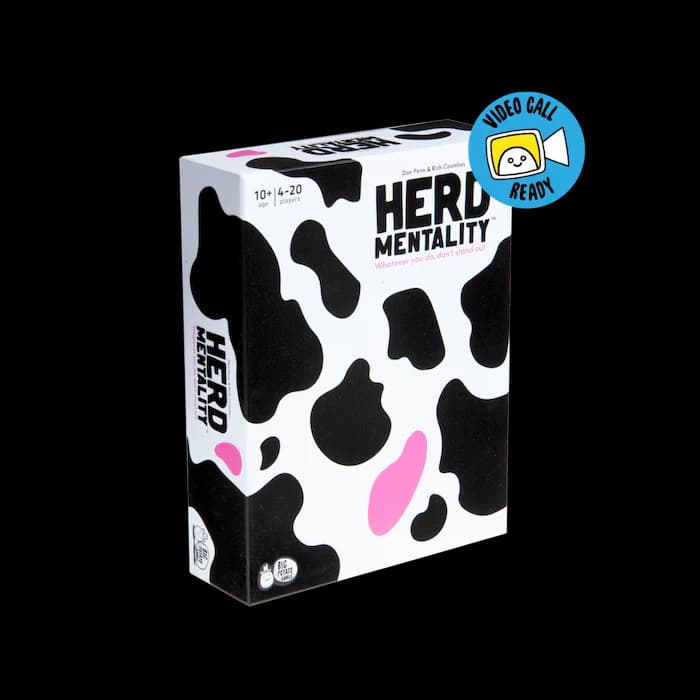
- Great for BeginnersHerd Mentality(4-20 players)
A question card is read out — something like "Name a fruit" or "Name something you'd find in a teenager's bedroom". Everyone secretly writes their answer. Then all answers are revealed simultaneously. If your answer matches the majority, you score. If you wrote something unique, you don't score. If you wrote the only unique answer, you get the Pink Cow — a rubber cow token that blocks you from scoring until someone else takes it from you. That's the whole game. You're trying to think like the group thinks. Not the cleverest answer. Not the funniest answer. The most average, predictable, boring answer. Which sounds simple until you realise that everyone else is also trying to be average, and second-guessing what "average" means gets messy fast. "Name a fruit." You think Apple. But does everyone think Apple? Or is everyone thinking that everyone will think Apple, so they'll write Banana instead? By the time you've spiralled through three layers of meta-thinking, you write Orange and hope for the best. The Pink Cow is the perfect punishment mechanic. It's physical, visible, and silly. The person holding it is always trying to get rid of it. The threat of getting it keeps people playing conservatively. Plays 4-20 with no real upper limit. The game takes 20 minutes and can stop at any point. Question quality varies — some cards produce boring unanimous answers, others split the group in unexpected ways. You can also make up your own questions, which older groups often prefer.
How to Host a Game Night for 10+ People
Hosting 10 or more people is a different beast than a standard 4-player game night. You can't just put one big box in the middle of the table and hope for the best. Above 8 players, games buckle under their own weight. Turns take twenty minutes, sidebar conversations splinter the group, and half the room ends up on the couch.
If you have a double-digit guest list, you have two options: run a game designed for massive crowds, or split the room. Here is exactly how to manage it.
Option 1: The Splitter
The mistake most hosts make is forcing 12 people to play the same game. You don't have to. Run two separate 6-player tables.
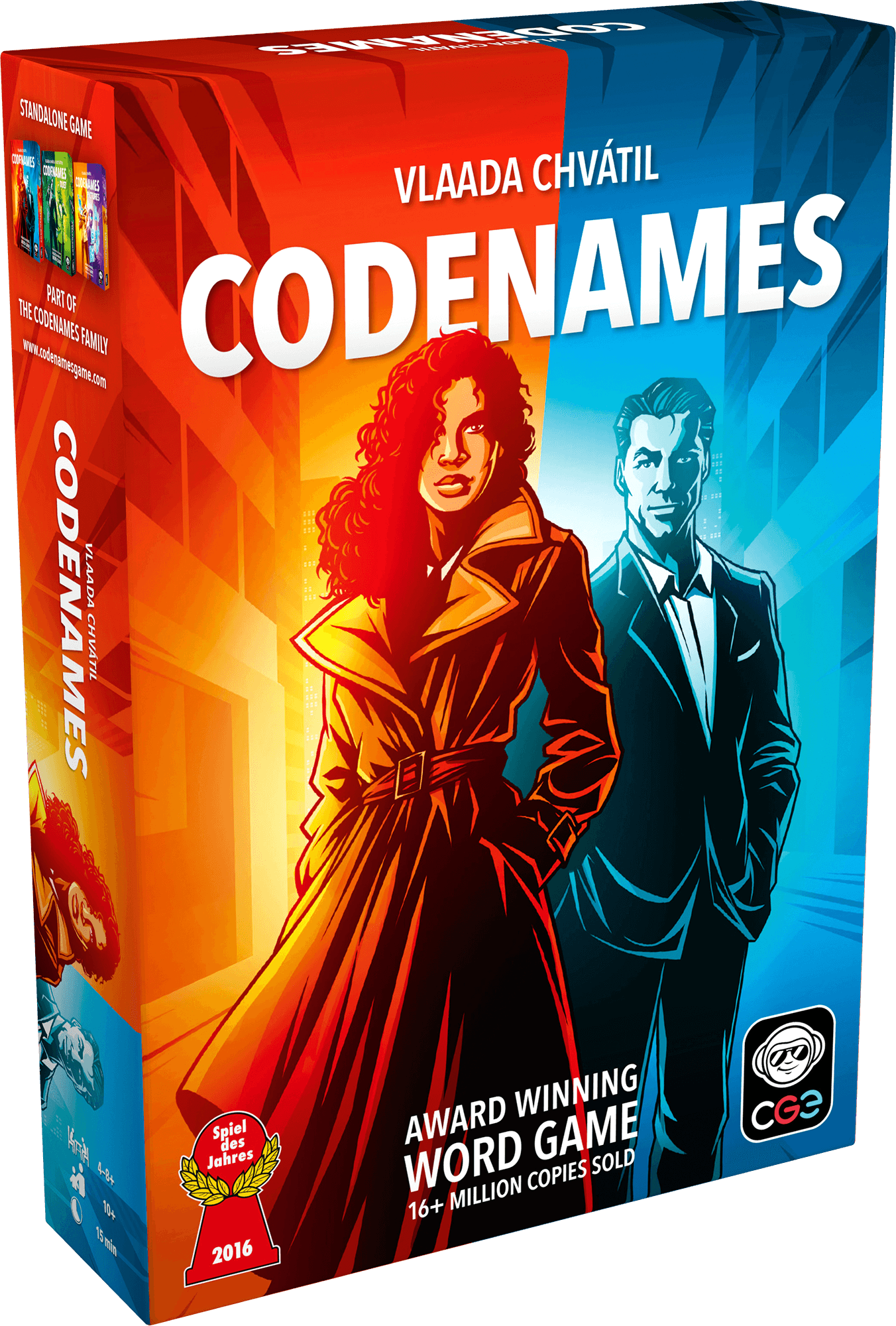
Don't ask the room "who wants to play what?" You'll get fifteen minutes of indecision. Dictate the split. Set up a heavier strategy game (like 7 Wonders or Citadels) in one area, and a lighter, louder party game (like Codenames or The Chameleon) somewhere else.
Announce the options: "If you want to think, go to the table. If you want to yell, go to the couch." People will naturally sort themselves by the energy level they want.
Option 2: Social Deduction at Scale
If you want everyone playing the same game, you need a social deduction game built for large groups.
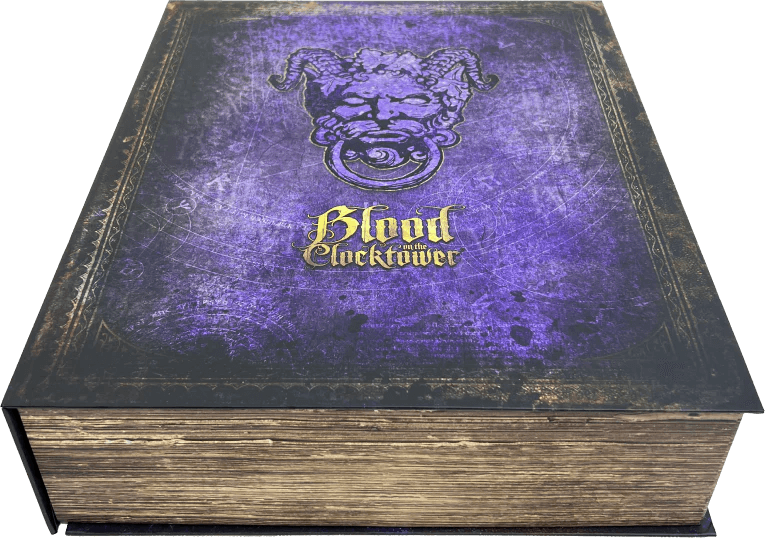
Blood on the Clocktower (up to 15 players) is the best choice for a big event. It requires you as host to not play and instead run the game as the Storyteller, managing roles, deaths, and information. It's an intense 90-minute experience.
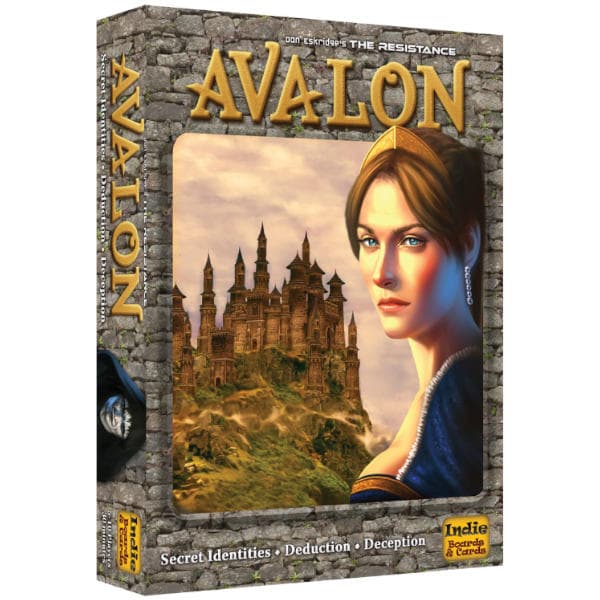
The Resistance: Avalon (up to 10 players) is a tighter, faster option. Put ten people around a table and tell them three are traitors. The game practically runs itself through pure paranoia.
Two Rooms and a Boom (up to 30 players) is what you use if you literally have 15 or more people. You play it standing up, splitting the group into two rooms and negotiating exchanges to keep the President away from the Bomber. It's an event game that creates great stories.
Option 3: Everyone at Once, No Turns
If you want everyone at the same table without the confrontation of social deduction, use games where everyone acts at the exact same time.
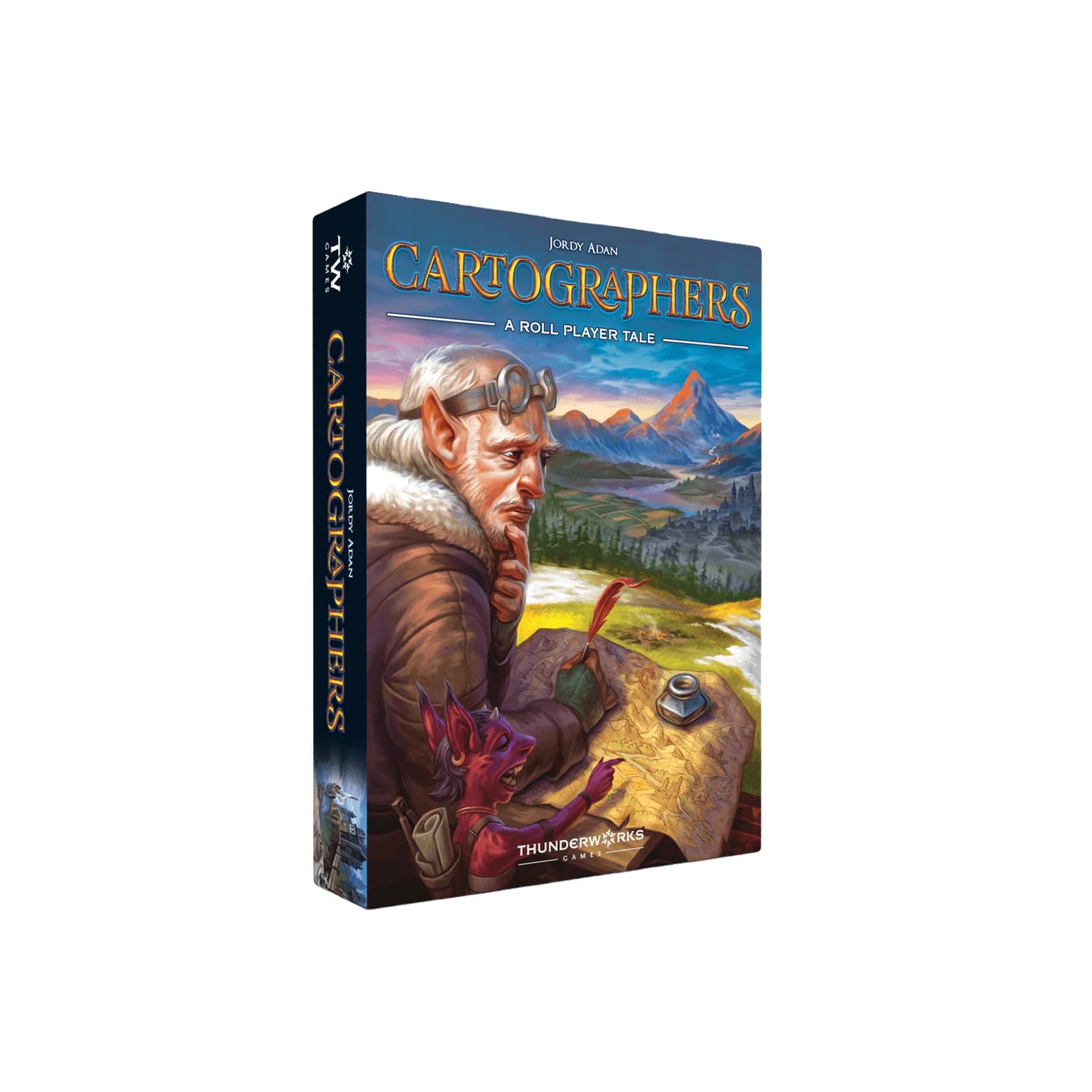
Welcome To and Cartographers both scale infinitely. You reveal cards in the centre, and everyone uses that information to fill out their individual sheet simultaneously. The game takes 30 minutes whether you have four players or forty.
Herd Mentality is another strong pick. You write your answer, reveal simultaneously, and whoever is the odd one out gets the pink cow. It handles huge crowds easily because reading the answers aloud is the core entertainment.
Rules for hosting large groups
No games with complicated turns. If a player has to remember four phases of a turn, you'll lose the crowd.
Keep food away from the components. 12 people means 12 drinks that can be knocked over. Serve food before or after the gaming, not during.
Accept the chaos. A 12-person game night is never going to be a quiet tactical affair. Embrace the table talk, the noise, and the side conversations. The goal is a great evening, not a strictly run tournament.
Reviewed by TableTop Trends Editorial Team
Board Game Specialists & Group Dynamics Researchers
Tested and evaluated across real group game nights. We specialize in group playability, player count scaling, rule clarity, and downtime reduction for gatherings of 2 to 12+ players.
Not sure which one to pick?
Answer a few quick questions and get a direct recommendation for your group.
Find the right gameLooking for Board Games & Game Night Recommendations?
Explore our group game finder, strategy guides, and game reviews.
🎲 Games in this guide

Keep Browsing — Related Guides
Hand-picked recommendations for your next game night setup.
Best Strategy Board Games for Large Groups
Party games are great, but sometimes a group wants actual depth. Here are the strategy games that don't fall apart above four players.
10 Great Party Board Games for 6–8 Players
You have seven people sitting around your table. Three of them love strategy, four think board games take four hours. Here are ten games that keep everyone engaged without rulebook headaches.
Cooperative Board Games Under Pressure: Quarterbacking and How to Stop It
Cooperative games promise teamwork, but dominant players can turn them into a solo performance. Here is how to diagnose and prevent quarterbacking at your table.
The Hidden Cost of Player Elimination in Modern Board Games
Why did player elimination disappear from modern board game design? A look at game design history, player engagement, and modern alternatives.
Need a personalized recommendation for your exact group?
Skip browsing and let our Game Finder select the 9.5/10 match for your player count and vibe.
🎯 Use 30-Second Game Finder